

The short answer
If you are postmenopausal and looking for honest information about what is happening to your skin and what may support it, this article is for you. The skin changes that began in perimenopause continue and settle into a more stable, lower-oestrogen baseline. The routine that supports postmenopausal skin is the same architecture as perimenopausal skincare: hydration to replace reduced water-binding, calming support for a less robust barrier, gentle renewal over months, and daily sun protection. The main differences are that the underlying hormonal picture is more predictable and the cumulative changes may be more visible. The routine that holds up is simpler and more consistent, not stronger and more elaborate. If you are earlier in the transition, our perimenopause skin guide is the companion piece for that stage, covering what changes and the routine that helps.
Menopause is officially defined as twelve months after your final period. For most Australian women, this happens around age 51, with significant variation. The years after menopause are postmenopause, and the skin changes that began in perimenopause continue and stabilise.
The biology is clearer than women are often told. Oestrogen has dropped to its postmenopausal level and stays there. Collagen synthesis continues to decline, with research suggesting approximately 30% of skin collagen is lost in the first five years after menopause and around 2% per year thereafter. [1] Endogenous hyaluronic acid production remains reduced. The skin barrier function settles into a less robust steady state.
The good news is that the postmenopausal period is often more predictable. The up-and-down hormonal fluctuation of perimenopause, with its reactive skin and unpredictable cycles, settles. The routine becomes easier to establish and trust.
Witchy's three-product range supports menopausal skin as well as perimenopausal skin. The shape of the routine is the same; the only adjustment is sometimes a slightly higher application amount to support the drier postmenopausal baseline. For women weighing menopausal hormone therapy, that conversation belongs with your GP, not with a skincare brand. Skincare can sit alongside whatever you decide medically.
What changes in postmenopausal skin
The skin changes that began in perimenopause continue into menopause and postmenopause. The pattern often becomes more stable, while the visible changes can feel more cumulative.
Oestrogen has settled into its postmenopausal baseline. Unlike the up-and-down oestrogen of perimenopause, postmenopausal oestrogen is at a consistently lower level. This often means the unpredictability of perimenopausal skin behaviour settles. Your skin is more predictable, even if the baseline has shifted.
Collagen continues to decline, but more slowly. The first five years after menopause produce the largest collagen loss (around 30% of total skin collagen). After this initial period, the rate slows to around 2% per year. [1] This is faster than the pre-menopause baseline but slower than the early postmenopausal years.
"Oestrogen-deficient skin shows measurable changes to hydration, barrier function, collagen content, and pigmentation. Topical supports combined with daily sunscreen can make a meaningful difference on the appearance and feel of skin in this season."
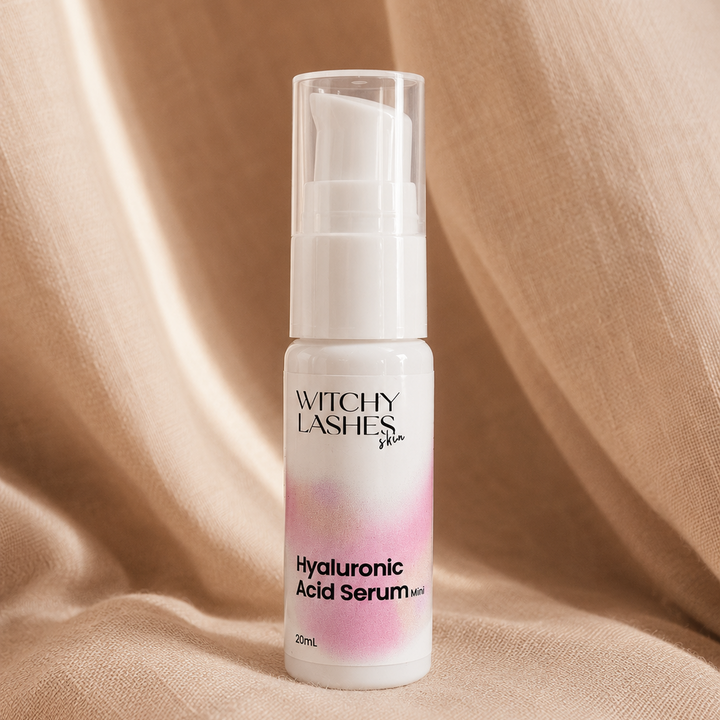
Rzepecki et al., International Journal of Women's Dermatology, 2019 [2]Endogenous hyaluronic acid production stays reduced. Your skin's own water-binding capacity remains lower than it was before menopause. The hydration support that mattered in perimenopause continues to matter through menopause and beyond. Applying a hyaluronic acid serum to damp skin twice daily remains the most reliable foundation step. [3]
Sebum production often settles into a lower baseline. The fluctuating sebum patterns of perimenopause usually settle. Many postmenopausal women have drier skin overall with less of the perimenopausal acne pattern, though some women continue to experience adult hormonal acne into postmenopause.
The skin barrier settles into a less robust steady state. Transepidermal water loss that increased in perimenopause continues to be higher than pre-menopause. Skin may tolerate active ingredients less easily than it did before, and recovery from disruption remains slower.
Cumulative pigmentation becomes more visible. Sun spots, age spots, and the residue of decades of UV exposure are most visible in postmenopausal skin. Melasma sometimes settles after menopause, sometimes persists, sometimes appears for the first time.
Cell turnover continues to slow. The renewal cycle that took twenty-eight days in your twenties may take fifty days or longer in postmenopause. The accumulated layers of older skin cells at the surface contribute to the duller appearance many women describe.

What is the same as perimenopause
Most of what supports menopausal skin is the same as what supports perimenopausal skin. The architecture of the routine does not change between the two stages.
The three jobs your routine needs to do are still the same.
Hydration. Topical hyaluronic acid applied to damp skin within sixty seconds of cleansing, twice a day. For postmenopausal skin, the volume of serum applied may need to be slightly higher than for perimenopausal skin because the underlying dryness is more consistent. [3]
Calming and seal support. A facial oil with the right fatty acid profile and a calming botanical active. The Blue Tansy Calming Facial Oil, with its chamazulene content and botanical oil base, provides both calming activity and lipid support for the barrier. [4] For postmenopausal skin, the seal step matters more than ever because the barrier function is settled at a less robust level.
Gentle renewal. Retinyl palmitate as the most tolerable form of cosmetic vitamin A. The recalibration that started in perimenopause (away from stronger retinoids, toward gentler forms used less frequently) continues into menopause. Most postmenopausal women settle into three to four nights a week of retinyl palmitate as their long-term routine.
Daily sunscreen. Mineral sunscreen every morning. This is the most useful daily habit for postmenopausal skin appearance, and it becomes more important rather than less important as cell turnover slows and the skin's ability to recover from UV exposure reduces.

What may be slightly different from perimenopause
A few adjustments to the routine often suit menopausal skin slightly better than perimenopausal skin.
The routine becomes more predictable. The perimenopausal unpredictability settles. You can establish a routine and trust it to work consistently rather than needing to recalibrate frequently. This is one of the genuine benefits of the postmenopausal period.
The application amount may need to be slightly higher. The drier postmenopausal baseline often benefits from a few extra drops of the hyaluronic acid serum and the facial oil. Many women find that the amount they used in perimenopause is slightly insufficient by their mid fifties.
The vitamin A timeline becomes more important. Retinyl palmitate's slower visible results mean that the cumulative effect over years becomes the relevant timeframe. The patience of menopausal skincare is rewarded with the appearance of skin that has been consistently supported for the long haul, rather than the dramatic before-and-after moment that may have been the goal in earlier decades.
Sunscreen volume may need to increase. As skin becomes drier and more reactive to environmental load, the sunscreen volume that was adequate in your forties may be insufficient in your fifties and beyond. The generous application that dermatologists recommend (a teaspoon for the face, applied every morning) is genuinely the right amount.
The whole routine becomes a part of daily life rather than something to be solved. Many women find that menopausal skincare is calmer than perimenopausal skincare not because the products become more complicated, but because the relationship with skincare settles too. The routine becomes part of the morning and evening rhythm, and the active worrying about the routine reduces.
"The routine that holds up in postmenopause is simpler and more consistent, not stronger and more elaborate. Consistency over months and years is what produces the visible accumulated change."
What usually does not help for menopausal skin
The same principles that apply to perimenopausal skin apply to menopausal skin, often with more emphasis.
Aggressive supports usually make things worse. Stronger retinoids, high concentration acids, frequent professional peels, and aggressive exfoliation often produce more visible damage than benefit in postmenopausal skin. The barrier recovery capacity is lower than ever, and the disruption from aggressive supports takes longer to settle.
Promises of dramatic results are usually marketing rather than evidence. No cosmetic skincare reverses menopausal collagen loss meaningfully or produces dramatic transformation in weeks. The evidence-based supports all work gradually over months to years. Marketing that promises otherwise should be approached with scepticism.
Complicated routines do not produce better results than simple ones. The temptation to add more products in response to the visible changes of postmenopausal skin is real, and the result is usually a more reactive barrier. The routine that holds up is the simpler one, applied consistently over the long term.
Stripping cleansers and heavily fragranced products. The more permeable barrier means fragrance compounds reach deeper than they used to and can trigger reactions. Cream or oil-based, fragrance-free cleansers and products are the right architecture for menopausal skin.

Featured product
Retinyl Renewal Oil
Gentle retinyl palmitate in a botanical rosehip base. Three to four nights per week, on damp skin. The accumulated change over months and years is what makes the routine worthwhile for postmenopausal skin.
See the Retinyl Renewal OilThe Witchy three-product routine for menopausal skin
Every morning
- Gentle cleanse with cool to lukewarm water (cream or oil-based, not foaming).
- Pat damp.
- Hyaluronic Acid Serum within sixty seconds. Four to five drops suits the drier postmenopausal baseline.
- Wait about thirty seconds.
- A few drops of Blue Tansy Calming Facial Oil.
- Mineral sunscreen as the final step. Generously, every morning, without exception.
Retinoid evenings (three to four per week)
- Gentle cleanse.
- Pat damp.
- Hyaluronic acid serum within sixty seconds.
- Wait thirty seconds.
- Two to three drops of Retinyl Renewal Oil.
- Nothing else.
Calming evenings (the rest of the week)
- Gentle cleanse.
- Pat damp.
- Hyaluronic acid serum within sixty seconds.
- Wait thirty seconds.
- Three to four drops of Blue Tansy Calming Facial Oil.

What about the rest of your skin
This article has focused on facial skincare because that is what Witchy makes. The wider postmenopausal skin picture extends beyond the face, and a brief mention is worthwhile.
The skin on your body becomes drier in menopause. A simple, fragrance-free body moisturiser applied within sixty seconds of stepping out of the shower is the basic body equivalent of the facial routine.
The skin on your hands ages faster than the rest of your body because of cumulative UV exposure and constant washing. Hand cream applied multiple times a day, sunscreen on the backs of the hands every morning, and gloves for outdoor work and gardening are all worthwhile.
The skin in the genital area changes through menopause as well. This is one of the more under-discussed aspects of menopause and affects a significant proportion of postmenopausal women. There are clinical treatments (including topical oestrogen creams) that are effective and worth discussing with your GP. This is medical territory, not skincare territory.
When to see a GP or specialist
If you have established skin conditions that need clinical management (rosacea, eczema, perioral dermatitis, melasma, persistent acne, suspected skin cancer), see a GP or dermatologist. If you are weighing menopausal hormone therapy, that conversation belongs with your GP, not with a skincare brand. If you have aspects of postmenopausal change affecting your wellbeing beyond skin (sleep, mood, joint pain, intimate health, cognitive changes, bone health, cardiovascular concerns), please see a GP, ideally one with menopause training. If you have pigmentation changing rapidly or asymmetrically, see a dermatologist for skin cancer screening.
For Australian readers: Australian Menopause Society has a find-a-doctor tool for GPs with menopause training. Jean Hailes is the leading Australian women's health resource for postmenopause. Australasian College of Dermatologists A-Z of Skin covers specific skin conditions.
A note from Marcha
I want to write this note carefully because the postmenopausal audience is one I am most aware of writing for from the outside. I am not in perimenopause, and I am certainly not postmenopausal. I am thinking and writing about this season of life from the position of a brand founder who has spent years reading customer letters from women in it, talking with friends and family members who are in it, and reading the research carefully.
What I have learned from the women who write to Witchy about postmenopausal skincare is that the conversation often becomes calmer, not louder. The perimenopausal unpredictability settles. The routine that holds up in postmenopause is the same routine that supports perimenopause, often applied with slightly more generous volume and slightly more confidence. The relationship with skin matures into something more settled, more honest, more about long-term sustainability than about chasing the dramatic.
I want to say to every postmenopausal woman reading this that your skin in this season is not something to be solved. It is the skin of a woman who has lived her life and whose face reflects the years it has been part of. Cosmetic skincare can support the appearance of that skin, can keep it comfortable and hydrated, can support the calmer baseline that age-related and oestrogen-deficient skin responds well to. What it cannot do is reverse the years, and the brands that promise it can are not doing you the favour they think they are.
The Witchy three-product routine is built to support skin in transition. The simplicity is the point. Hydration that works. Calming support that holds the barrier. Gentle vitamin A used patiently over months. Plus sunscreen, every morning, without exception. The work over the years ahead is consistency and patience rather than dramatic support. The skin you are bringing into this season of your life deserves a routine that respects it. That is what we make.
Marcha, Founder of Witchy Lashes Skin
Frequently asked questions
What happens to skin after menopause?
The skin changes that began in perimenopause continue and stabilise. Oestrogen settles into a lower postmenopausal baseline. Collagen continues to decline, with the largest loss in the first five years after menopause (around 30%, per Brincat et al., 1987). [1] Endogenous hyaluronic acid production remains reduced. The skin barrier function continues to be less robust than pre-menopause. Pigmentation from cumulative UV exposure becomes more visible. The picture stabilises, even if the baseline has shifted.
Is collagen loss reversible after menopause?
Cosmetic skincare cannot reverse postmenopausal collagen loss meaningfully. Topical retinoids may support some collagen pathway activity over months to years of consistent use, but dramatic restoration of pre-menopausal collagen levels is not something cosmetic ingredients can produce. The honest expectation is supportive maintenance rather than dramatic reversal. Professional treatments (some lasers, microneedling, certain peels) can support collagen pathways to some degree, but these are dermatology decisions rather than skincare ones.
Should I use stronger products after menopause because my skin needs more help?
Generally, no. The instinct to use stronger products in postmenopausal skin often produces more disruption than benefit. The barrier function is at its least resilient, and aggressive supports take longer to recover from. The routine that holds up in postmenopause is gentler, more hydrating, and more consistent, not stronger and more elaborate. The retinyl palmitate that suits perimenopausal skin continues to suit postmenopausal skin for most women.
Is the Witchy Skin range suitable for postmenopausal women?
Yes. The range was built for women in transition, which includes perimenopause, menopause, and the postmenopausal years. The shape of the routine is the same across all three stages. Postmenopausal women may benefit from slightly higher application amounts, as the drier baseline often suits four or five drops of hyaluronic acid serum rather than three, but the products and the routine structure are the same as for perimenopausal use.
When should I see a doctor about postmenopausal skin changes?
If you have established conditions (rosacea, eczema, melasma, suspected skin cancer), if you have postmenopausal changes affecting your wellbeing beyond skin (sleep, mood, joint pain, intimate health), if you are considering menopausal hormone therapy, or if you have pigmentation that is changing rapidly. The conversation about the postmenopausal picture is often more useful with a GP who has menopause training. The Australian Menopause Society has a find-a-doctor tool to identify clinicians with that training.
The complete routine
The Witchy Skin starter set
Three products designed to work as a complete routine for skin in the menopausal and postmenopausal years. The same architecture as perimenopausal skincare, built to last.
Keep reading
- The complete guide to perimenopause and skin
- Why skin gets drier in perimenopause, and what hyaluronic acid does
- The retinol that worked at 32 that doesn't work at 47
- Why new pigmentation appears in perimenopause
- Building a perimenopause skincare routine that actually holds up
- Skin changes in your forties: what's hormonal and what's not
References
- Brincat M, et al. Skin collagen changes in postmenopausal women receiving different regimens of estrogen therapy. Obstetrics and Gynecology. 1987.
- Rzepecki AK, et al. Estrogen-deficient skin: the role of topical therapy. International Journal of Women's Dermatology. 2019. DOI: 10.1016/j.ijwd.2019.01.001
- Bravo B, et al. Hyaluronic acid applied to damp skin: evidence for hydration outcomes. Journal of Cosmetic Dermatology. 2022.
- Slon K, et al. Chamazulene: calming and antioxidant activity in laboratory research. Molecules. 2024.

