

If new brown patches have appeared on your cheeks, temples or upper lip in your forties, or pigmentation you already had has darkened or spread, you are not imagining it. This article is one part of our full guide to perimenopause skin, which covers what changes and the routine that helps.
There are three layers to the biology. Oestrogen influences melanocyte activity, and as it fluctuates in perimenopause, melanocytes can become more active in some areas. Decades of UV exposure become more visible as cell turnover slows. And more reactive perimenopausal skin leaves post-inflammatory hyperpigmentation that takes longer to fade than it used to.
A 2022 review in Clinical, Cosmetic and Investigational Dermatology (Lephart and Naftolin) supports the mechanistic link between hormonal fluctuation and pigmentation patterns in perimenopausal skin.[1]
The calm approach is prevention and gentle consistency: daily mineral sunscreen is the most important step, gentle vitamin A over months supports the appearance of more even tone, and for established melasma, a dermatologist has more to offer than cosmetic skincare can. Pigmentation responds slowly to any approach, so patience matters more than intensity.
This article explains what is happening with pigmentation in perimenopause, why stronger treatment often makes it worse, what gentle support can do, and when a dermatologist becomes the right person to speak to.
What is happening with perimenopausal pigmentation
Pigmentation is not one thing. The different patterns have different causes, and the approach to each one differs slightly.
Melasma
The most distinctive pattern. It presents as symmetrical brown or grey-brown patches, usually on the forehead, cheeks, upper lip, and sometimes jawline. The patches are often larger than sun spots, less defined at the edges, and have a slightly mask-like quality across the face. Melasma is strongly associated with hormonal changes and can flare in pregnancy, with hormonal contraception, and through perimenopause. A 2014 review in An Bras Dermatol (Handel, Miot and Miot) covered melasma pathogenesis in detail.[2] The condition involves overactive melanocytes producing more melanin in response to hormonal and UV triggers.
Sun spots and age spots
Technically solar lentigines: small, well-defined brown patches that appear in areas of cumulative sun exposure. They become more visible in perimenopause partly because they have been forming for decades and are now reaching the threshold of visibility, and partly because slower cell turnover allows them to persist longer at the surface.
Post-inflammatory hyperpigmentation
The brown or pink discolouration that remains after a breakout, irritation, or injury has resolved. In perimenopausal skin, this pattern takes longer to fade than it did in younger skin because cell turnover is slower and the inflammatory response is more pronounced. Women experiencing perimenopausal acne on the jawline often notice the residual pigmentation lasting weeks or months.
General tone unevenness
The cumulative picture of slower cell turnover, decades of UV exposure, the layered effects of small amounts of melasma, sun spots, and post-inflammatory marks. Not a single pigmented patch but a general appearance of less even tone than the skin you remember from your thirties.
Each pattern responds to UV protection, benefits from gentle skincare that supports cell turnover without disrupting the barrier, and generally requires patience over months.

Why stronger treatment often makes pigmentation worse
A common pattern: someone reaches for the most intensive treatment they can find and ends up with worse pigmentation than they started with.
The mechanism is straightforward. Aggressive treatments (high-concentration acids, strong professional peels, harsh exfoliation) disrupt the skin barrier. Barrier disruption in pigmentation-prone skin triggers a melanocyte response that produces more pigment to protect the skin. The treatment intended to reduce pigmentation triggers more pigment production instead.
"Melasma is notoriously responsive to inflammation. Anything that inflames the skin can darken the patches, which is why melasma treatment in dermatology is generally cautious and gradual rather than stronger."
Handel AC, Miot LDB, Miot HA. An Bras Dermatol, 2014[2]The principle for perimenopausal pigmentation is the same as for perimenopausal acne and reactivity: gentle, consistent, patient. Aggressive interventions usually compound the problem. Calm support over months is what produces sustained change.
Witchy's Retinyl Renewal Oil delivers the gentlest cosmetic vitamin A, used two to four evenings per week. The slower conversion to active retinoic acid supports cell turnover without the inflammatory disruption that can darken pigmentation.
See the Retinyl Renewal OilWhat the research suggests can support pigmentation
The interventions with the strongest evidence for the appearance of more even tone, in approximate order of evidence strength:
Daily sunscreen. By far the most evidence-supported intervention for any pigmentation pattern. UV is the trigger for almost every pigmentation problem. Mineral sunscreen (zinc oxide, titanium dioxide) is generally preferred for pigmentation-prone skin because it sits on the surface and reflects UV rather than absorbing it, and is less likely to trigger the heat-related inflammation that can darken melasma. Apply every morning, generously, and reapply if you are outdoors for extended periods. Non-negotiable.
Niacinamide. A 2002 paper in the British Journal of Dermatology (Hakozaki et al.) demonstrated that niacinamide at 5% produced measurable improvements in the appearance of pigmentation over twelve weeks.[3] The mechanism involves reducing the transfer of melanin from melanocytes to surrounding skin cells. Generally well tolerated and pairs well with the Witchy routine.
Gentle vitamin A. Retinoids influence cell turnover and have been studied for their effects on the appearance of pigmentation through accelerated renewal of the pigmented upper skin layer (Mukherjee et al., Clinical Interventions in Aging, 2006).[4] For perimenopausal skin, retinyl palmitate is the gentler approach. The slower conversion produces gentler renewal without the inflammatory disruption that can compound pigmentation. Used two to four nights a week over months, the appearance of more even tone is one of the supportive effects.
Vitamin C. A morning antioxidant with research supporting its effect on the appearance of pigmentation through different mechanisms than vitamin A. The qualification for perimenopausal skin is that high-concentration vitamin C can be too acidic for a more reactive barrier. A moderate concentration (10 to 15%), applied in the morning, and watch for reactivity.
Tranexamic acid. A relatively newer ingredient with promising research for melasma specifically. Available in some skincare products and, in higher concentrations, in oral medication prescribed by a dermatologist. Worth discussing with a dermatologist if melasma is your primary concern.
What is not on this list is anything that promises big results in weeks. Pigmentation responds slowly. Realistic timeframes for visible improvement are three to six months at minimum, often longer.

The Retinyl Renewal Oil is the renewal step in the Witchy routine: retinyl palmitate in a rosehip-based oil, used two to four evenings a week on settled skin. Over three to six months of consistent use, it supports the appearance of more even skin tone alongside your daily mineral sunscreen.
See the Retinyl Renewal OilThe Witchy three-product routine for pigmentation support
The Witchy range supports the gentle, patient approach to pigmentation. These are not pigmentation treatments; they are part of a routine that supports the appearance of more even tone over time, alongside the daily sunscreen that does the heaviest lifting.
Every morning:
- Gentle cleanse or rinse with cool to lukewarm water.
- Pat damp.
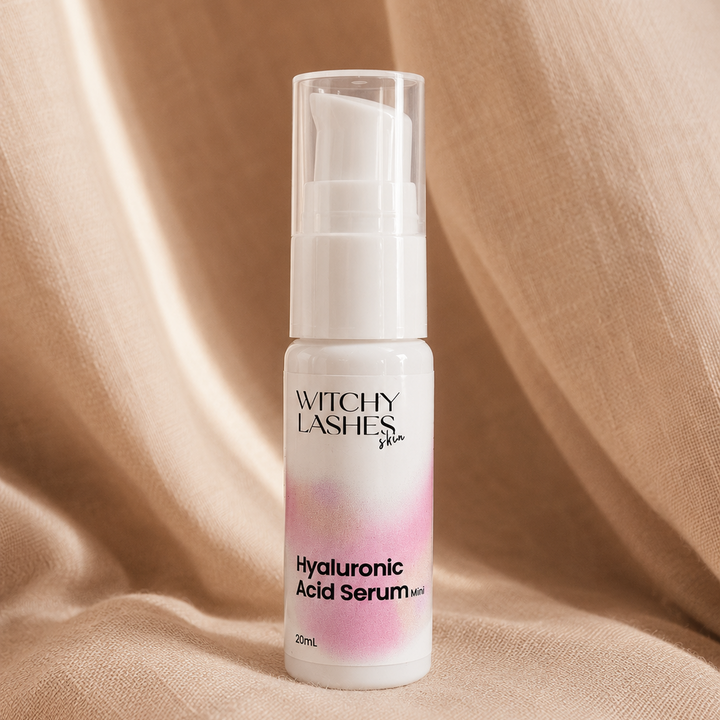
- Hyaluronic Acid Serum within sixty seconds.
- Optional: niacinamide serum at 5% if you use one (not a Witchy product, but pairs well).
- A few drops of Blue Tansy Calming Facial Oil. A calmer skin baseline matters for pigmentation because inflammation darkens it.
- Mineral sunscreen as the final step. Generously. Every day.
Retinoid evenings (two to four per week):
- Gentle cleanse, pat damp.
- Hyaluronic Acid Serum within sixty seconds.
- Wait thirty seconds.
- Two to three drops of Retinyl Renewal Oil. Nothing else.
Calming evenings (the rest of the week):
- Gentle cleanse, pat damp.
- Hyaluronic Acid Serum within sixty seconds.
- Wait thirty seconds.
- Three to four drops of Blue Tansy Calming Facial Oil.
"Pigmentation responds slowly to any approach. Patient consistency over months is what produces sustained change."
What to expect, and what not to expect
The first noticeable change with any approach is usually at three to four months. Clearer accumulated change is typically at six to twelve months. Some patterns (deep dermal melasma, deeply embedded sun spots) may not respond meaningfully to cosmetic skincare alone.
What to expect from the gentle, consistent approach:
- A more even-looking baseline as cell turnover supports skin renewal.
- Slower formation of new sun spots and post-inflammatory marks as the inflammatory load reduces.
- Less pronounced pigmentation in areas of recent post-inflammatory hyperpigmentation, over three to six months.
- A calmer overall skin appearance that supports visible evenness even when specific patches persist.
What not to expect:
- Dramatic lightening of established melasma. Melasma responds slowly and incompletely to even the best dermatology approaches.
- Disappearance of long-standing sun spots. The deeper ones often require professional intervention.
- Fast results from anything. Pigmentation is slow biology.
- Permanent results without ongoing sun protection. Without daily sunscreen, any improvement reverses.
When to see a dermatologist
Pigmentation is one of the topics where a dermatologist often genuinely has more to offer than cosmetic skincare can provide.
- Established melasma that is affecting your wellbeing.
- Pigmentation that is changing in shape, darkening rapidly, or asymmetrical in a concerning way (skin cancer screening is important here, not just melasma assessment).
- Post-inflammatory hyperpigmentation from acne that is not responding to gentle skincare over six months.
- If you want to discuss medical treatments: tranexamic acid (oral or topical), prescription-strength hydroquinone, or professional procedures like chemical peels, microneedling, or laser treatments.
- Your pigmentation is affecting your confidence, mood, or quality of life.
- A family history of melanoma or significant skin changes.
The Australasian College of Dermatologists has a find-a-dermatologist tool. For Australian readers, healthdirect.gov.au has plain-English guides on melasma and pigmentation. I am not the right person to diagnose pigmentation patterns or recommend professional treatments. I am the right person to write the gentle supportive routine that complements professional care.
A note from Marcha
I want to be honest about what the gentle approach can and cannot do here.
Pigmentation is one of the more emotionally loaded topics in perimenopausal skincare. The patches that appear on the face are visible in a way other skin changes are not. They show up in photographs, in mirrors, in the moment of catching your reflection unexpectedly. The instinct to want them gone quickly, with the most intensive treatment available, is understandable.
The honest answer is that the most intensive treatment is rarely the right one in perimenopausal skin. Aggressive interventions often compound pigmentation rather than reduce it, particularly for melasma which responds badly to inflammation. The gentle, patient approach over months is what genuinely supports the appearance of more even tone, alongside the daily sunscreen that prevents the next round of pigmentation from forming.
I have also been honest in this article that for established pigmentation, a dermatologist may have more to offer than cosmetic skincare can. A dermatologist can tell you what your specific pigmentation pattern is, what is likely to respond to what intervention, and whether the gentle skincare approach is enough or whether something more is appropriate.
What the Witchy routine can offer is supportive consistency. Daily sunscreen prevents new pigmentation. Hydration supports the appearance of brighter skin. The blue tansy oil reduces the inflammatory load that compounds with pigmentation. The retinyl renewal oil supports cell turnover gently over months. None of this is a pigmentation treatment, and we do not pretend otherwise. What it is, is a calm baseline that supports skin in transition and that can sit alongside professional treatment if you decide to pursue it.
Marcha, Founder of Witchy Lashes Skin
Frequently asked questions
Why has new pigmentation appeared on my face in perimenopause?
Oestrogen fluctuation in perimenopause can stimulate melanocyte activity, leading to new melasma or darkening of existing pigmentation. Cumulative UV exposure from decades of life becomes more visible as cell turnover slows. Post-inflammatory hyperpigmentation from perimenopausal acne or barrier reactivity persists longer than it did in younger skin. The combination of these factors produces the pigmentation patterns many women notice in their forties.
What is the difference between melasma and sun spots in perimenopause?
Melasma presents as symmetrical brown or grey-brown patches, larger and less defined, often across the forehead, cheeks, upper lip and jawline. It is strongly associated with hormonal changes. Sun spots (solar lentigines) are small, well-defined brown patches in areas of cumulative sun exposure. They are not symmetrical and do not have the hormonal-looking quality of melasma. Treatment approaches differ between the two patterns.
Is sunscreen really the most important step for pigmentation?
Yes. Daily UV exposure is the primary trigger for almost every pigmentation pattern, and reducing it daily is by far the most evidence-supported intervention. Mineral sunscreen (zinc oxide, titanium dioxide) is generally preferred for pigmentation-prone skin because it sits on the surface, reflects UV rather than absorbing it, and is less likely to trigger heat-related inflammation that can darken melasma. Apply every morning, generously, and reapply if outdoors for extended periods.
Will retinyl palmitate help with pigmentation?
It can support the appearance of more even tone over months of consistent use, through gentle cell turnover. It is not a pigmentation treatment. The gentler vitamin A approach matters in pigmentation-prone perimenopausal skin because stronger retinoids can trigger inflammation that darkens pigmentation, particularly melasma. Patience over months is what produces the supportive effect.
Can I use vitamin C for pigmentation in perimenopause?
Yes, in moderation. Vitamin C has research supporting its effects on the appearance of pigmentation. The qualification for perimenopausal skin is that high-concentration vitamin C can be too acidic for a more reactive barrier. A moderate concentration (10 to 15%) applied in the morning is the sensible approach. Watch for reactivity. If your skin tolerates it, vitamin C in the morning alongside the Witchy routine is a reasonable layered approach.
Should I see a dermatologist about my pigmentation?
If your pigmentation is affecting your wellbeing, if you have established melasma, if post-inflammatory hyperpigmentation is not responding to gentle skincare over six months, or if you want to discuss medical treatments like tranexamic acid, prescription topicals, or professional procedures. A dermatologist consultation is one of the more useful skincare-adjacent appointments women in perimenopause can make for pigmentation specifically.
How long does pigmentation take to improve in perimenopause?
Slowly. The first noticeable change with any approach is usually at three to four months. Clearer accumulated change is at six to twelve months. Some patterns (deep dermal melasma, long-established sun spots) may not respond meaningfully to cosmetic skincare and require professional treatment. Patience over months matters more than intensity. Aggressive interventions often make things worse rather than better.
Can the Witchy products treat my pigmentation?
No, and we want to be honest about this. Witchy makes cosmetic skincare, not pigmentation treatments. The routine supports the appearance of more even tone over months of consistent use, alongside the daily sunscreen that does the heaviest lifting. For established melasma or significant pigmentation affecting your wellbeing, a dermatologist consultation is genuinely worth having, as the medical options are more effective than cosmetic skincare for these patterns.
If you'd like the three products together, the Witchy Skin starter set brings them into one routine at a saving.
See the starter setThe complete routine
Gentle, consistent, patient. The approach pigmentation actually responds to.
Hyaluronic acid to support a hydrated baseline. Blue tansy oil to reduce the inflammatory load that darkens pigmentation. Retinyl renewal oil to support cell turnover gently over months. Plus your mineral sunscreen, every morning, without exception.
 Hyaluronic Acid Serum
 Blue Tansy Calming Facial Oil
 Retinyl Renewal Oil
Continue reading
References
- Lephart ED, Naftolin F. (2022). Menopause and skin ageing: a narrative review. Clinical, Cosmetic and Investigational Dermatology. doi:10.2147/CCID.S337650
- Handel AC, Miot LDB, Miot HA. (2014). Melasma: a clinical and epidemiological review. An Bras Dermatol. doi:10.1590/abd1806-4841.20142388
- Hakozaki T et al. (2002). The effect of niacinamide on reducing cutaneous pigmentation and suppression of melanosome transfer. British Journal of Dermatology. doi:10.1046/j.1365-2133.2002.04920.x
- Mukherjee S et al. (2006). Retinoids in the treatment of skin aging: an overview of clinical efficacy and safety. Clinical Interventions in Aging. doi:10.2147/ciia.2006.1.4.327

