
When someone goes through chemotherapy, people often talk about scalp hair loss. Wigs, scarves, and hats get mentioned a lot.
What many people are not prepared for is losing their eyelashes.
At Witchy Lashes, this is one of the most common questions we receive from women going through treatment.
Do eyelashes grow back after chemo?
How long does eyelash regrowth take after chemotherapy?
Can you wear false eyelashes during chemo?
If you are here because you are going through treatment, or supporting someone who is, I want you to know something first: losing your lashes is emotional, and that reaction is completely valid.
Eyelashes frame your eyes. They protect your eyes from dust and wind. They also play a big role in how we recognise our own face in the mirror.
The good news is that for the vast majority of people, eyelashes do grow back after chemo. It just takes time, patience, and gentle care while your body recovers.
Contents
Do Eyelashes Grow Back After Chemo?
Yes, eyelashes do grow back after chemo in the vast majority of cases. Eyelash regrowth after chemotherapy typically begins around 4 to 8 weeks after the final treatment cycle, with lashes becoming more noticeable by 3 to 6 months. Most patients see full eyelash regrowth within 6 to 12 months. A small percentage experience permanent thinning, most often associated with taxane chemotherapy drugs such as docetaxel.
During the regrowth period, gentle care matters: avoid rubbing the eyes, choose hypoallergenic products, and protect sensitive eyes with sunglasses. Strip lashes and magnetic lashes are often practical options during treatment because they attach to the eyelid rather than the natural lashes. Bimatoprost is the only treatment with strong clinical evidence behind it for eyelash regrowth. Always check with your medical team before introducing new products during or after chemotherapy.
If you'd like something to wear while your lashes come back, we've gathered the styles that work on completely bare lids in our false eyelashes for cancer patients collection.
Regrowth Timeline

| Time After Final Treatment | What to Expect |
|---|---|
| 4–8 weeks | Tiny new lashes begin to appear, usually fine, soft, and sparse. Research suggests this is when regrowth often starts. |
| 3–6 months | Lashes become longer and darker, though they may still look uneven or patchy. |
| 6–12 months | Most people see normal density return and feel their lashes look close to how they did before treatment. |
| Up to 18 months | A small number of patients take longer for full recovery. |
About 5% of patients experience permanent thinning or loss, most commonly linked to certain chemotherapy drugs such as docetaxel. The vast majority do see their lashes grow back, but a small minority may notice lasting changes in density or texture. This patient resource and published clinical literature both discuss the risk of persistent eyelash loss in a small subset of patients.
How long it takes for eyelashes to grow back after chemo can vary. Age, genetics, overall health, the specific drugs used, dosage, and the length of treatment can all influence how fast follicles recover.
Eyebrows usually follow a similar timeline to eyelashes. Many women find that a brow pencil, brow powder, or another temporary cosmetic solution helps them feel more like themselves while waiting for regrowth. If you are considering a cosmetic procedure such as microblading, always check with your oncologist first.
If your eyelashes have not begun to return after 12 to 18 months, it is worth speaking with a dermatologist, trichologist, or your oncology team for further assessment.
Eyelash Regrowth Stages
Eyelashes rarely grow back all at once.
When regrowth begins, you will usually notice tiny soft lashes appearing along the lash line. They may look lighter, finer, straighter, or curlier than before.
In the early stages, lashes often grow in patchy clusters because some follicles recover faster than others. This can make the lash line look uneven for a while.
Over time, more follicles move back into an active growth phase and the lashes become thicker, darker, and more consistent. By around six months, many people feel their lashes look much closer to normal again.
Which Chemo Drugs Cause Eyelash Loss?
Not every chemotherapy drug affects eyelashes in the same way. The drugs most commonly associated with eyelash loss are taxanes, anthracyclines, and alkylating agents, the same drug classes known for causing scalp hair loss.
What makes eyelash loss different from scalp hair loss is that eyelashes have a much shorter growth cycle (around 90 days versus several years for scalp hair), so even brief disruptions to the follicle can produce visible thinning.
An important distinction: most chemotherapy drugs cause high rates of eyelash loss during treatment. What differs between drug classes is the risk of that loss becoming persistent or permanent after treatment ends.
| Drug Class | Common Names | Eyelash Loss During Treatment | Regrowth After Treatment |
|---|---|---|---|
| Taxanes | Docetaxel (Taxotere), Paclitaxel (Taxol), Nab-paclitaxel (Abraxane) | Very common. One study found eyelash loss in 78% of patients receiving taxane-containing regimens. | Most patients do regrow their eyelashes, but taxanes carry the highest risk of persistent thinning. Published studies report permanent eyelash loss in roughly 2–4% of patients, with risk increasing at higher cumulative doses. Regrowth may be slower compared to non-taxane regimens. |
| Anthracyclines | Doxorubicin (Adriamycin), Epirubicin (Ellence) | Very common. Anthracyclines are well known for causing hair loss including eyelashes, particularly when combined with other agents. | Most patients see regrowth begin within weeks of completing treatment, with meaningful recovery over 3–6 months. Persistent loss is possible but less common than with taxanes. |
| Alkylating agents | Cyclophosphamide (Cytoxan) | Common to very common. Cyclophosphamide causes high rates of hair loss, up to 66% in monotherapy and higher in combination regimens. | Regrowth typically begins within weeks of completing treatment. Persistent eyelash loss is uncommon with cyclophosphamide alone, though it is more likely when combined with taxanes. |
| Combination regimens | FEC-T, AC-T, TC, EC-T | Very common. In combination regimens, hair loss, including eyelashes, often begins within two weeks of the first cycle and continues throughout treatment. | The regrowth timeline generally follows the last drug administered. Taxane-containing combinations (FEC-T, AC-T) carry higher persistence risk than non-taxane combinations. |
The reason chemo affects lashes is simple: chemotherapy targets rapidly dividing cells, and hair follicle cells are among the fastest-dividing cells in the body.
Eyelash loss often shows up later than scalp hair loss because fewer eyelash follicles are actively growing at any one time. That delayed timing can make chemo eyelash loss especially upsetting, because it often happens after someone feels they have already coped with so much.
Caring for Your Eyelashes During Chemo
There is no guaranteed way to save your eyelashes during chemo, but gentle care can help protect delicate follicles and reduce unnecessary breakage or irritation.
- Be very gentle when cleansing your face and avoid rubbing the eyes.
- Choose hypoallergenic products without strong fragrance or irritating ingredients.
- Replace mascara regularly to reduce the risk of bacterial contamination.
- Wear sunglasses outdoors to protect sensitive eyes when lashes are sparse.
- Use lubricating eye drops if dryness becomes an issue, but check with your care team if symptoms are significant.
- Avoid harsh removers, aggressive rubbing, and anything that pulls at the lash line.
If you still have some eyelashes remaining, handle them as gently as possible. Avoid eyelash curlers entirely. Curling can damage fragile eyelashes during and after treatment. If you normally use waterproof mascara, switch to a gentle, water-based formula that removes easily without rubbing or tugging. Some women find that skipping mascara altogether during treatment helps preserve the eyelashes they still have.
Nutrition can also support the body's overall recovery. A balanced diet with enough protein, healthy fats, iron, zinc, vitamin E, and other key nutrients may help support normal hair regrowth over time. Biotin gets mentioned often online, but high doses can interfere with some blood tests, which is important to keep in mind during cancer monitoring. Read more about the biotin safety issue and other lash care tips during chemo.
Can You Wear False Eyelashes During Chemo?
Yes, many women do wear false eyelashes during chemo, and for a lot of people they provide a small but very meaningful confidence boost.
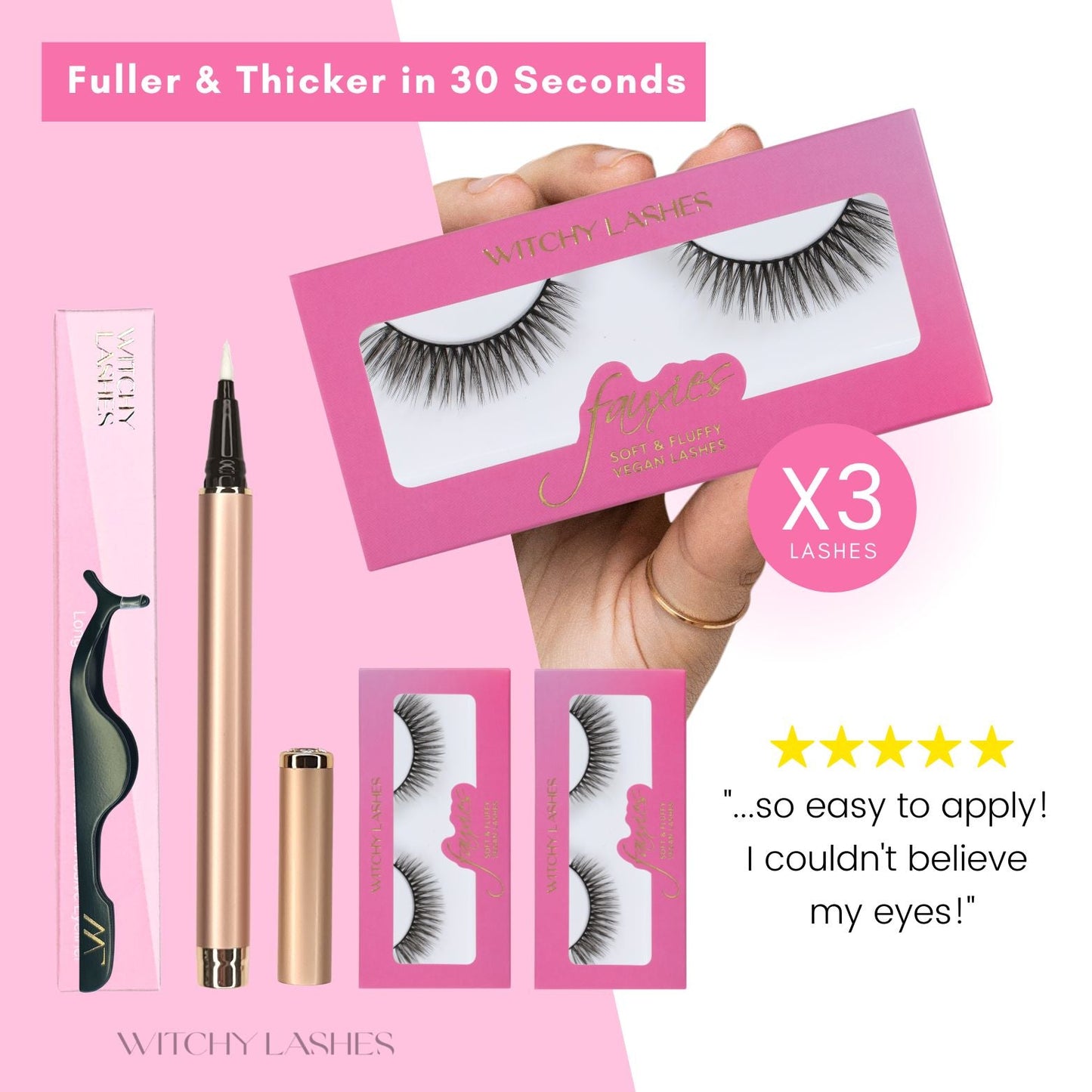
If you are unsure which system will suit you, the Find Your Match Kit includes both magnetic and adhesive lashes to try at home.
Strip lashes and magnetic lashes attach to the eyelid rather than the natural lashes, which makes them a practical option even when lashes are sparse or completely absent.
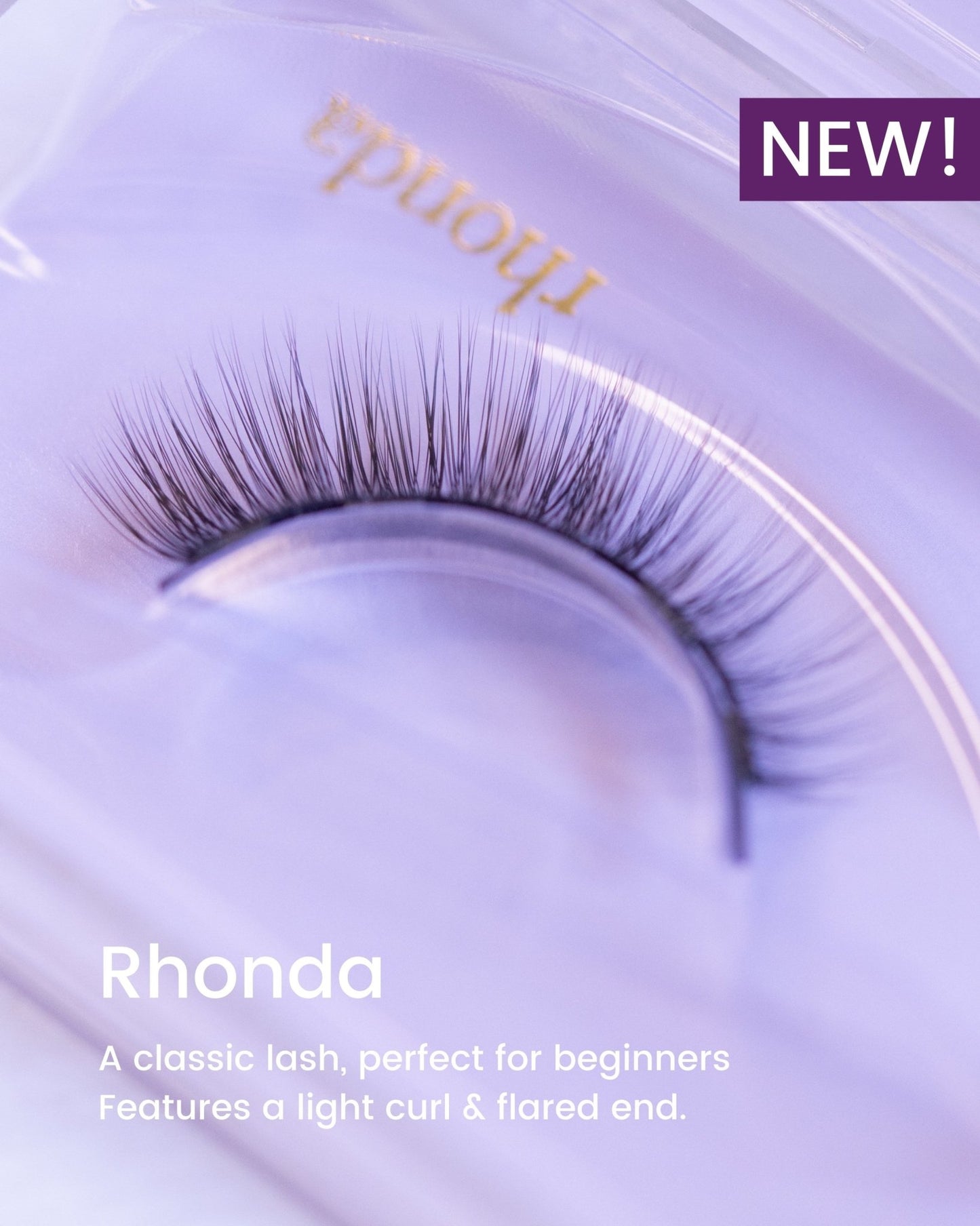
This is one of the reasons Witchy Lashes exists in the first place. We created options specifically for women who want something simple, wearable, and confidence-building during treatment. You can see our full range of natural lashes made for chemo patients if you'd like to explore what's available.

Magnetic Lashes
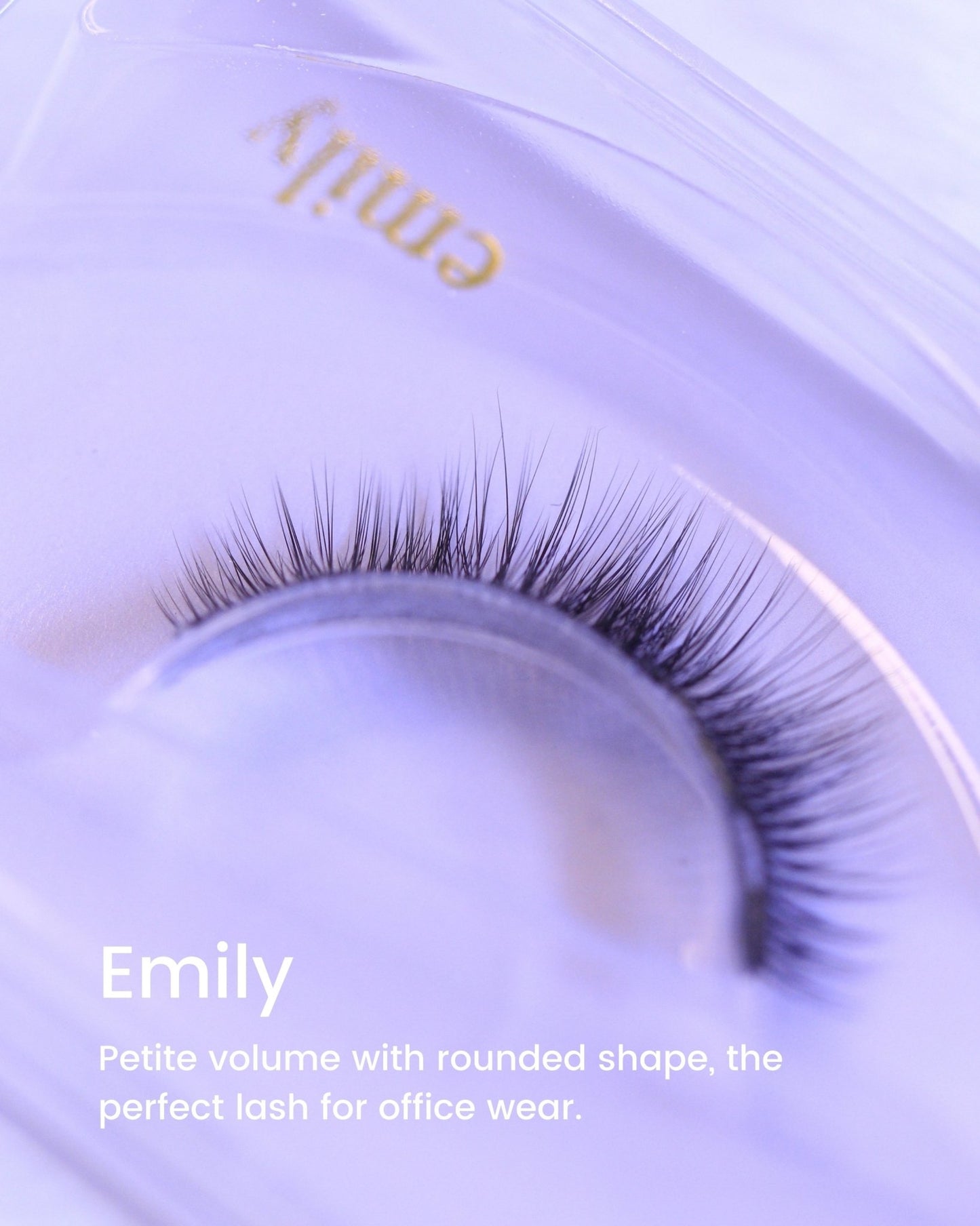
We originally designed our Emily lash specifically for a friend going through her own hair loss journey, and that experience shaped everything we do. Today, our Emily lash in the Newbie Bundle carries that same philosophy forward. It creates a gorgeous open-eye effect and is one of our most popular styles for women going through treatment. If you are looking for the best eyelashes for chemo patients and want one simple magnetic option to start with, the Newbie Bundle is our clearest recommendation.
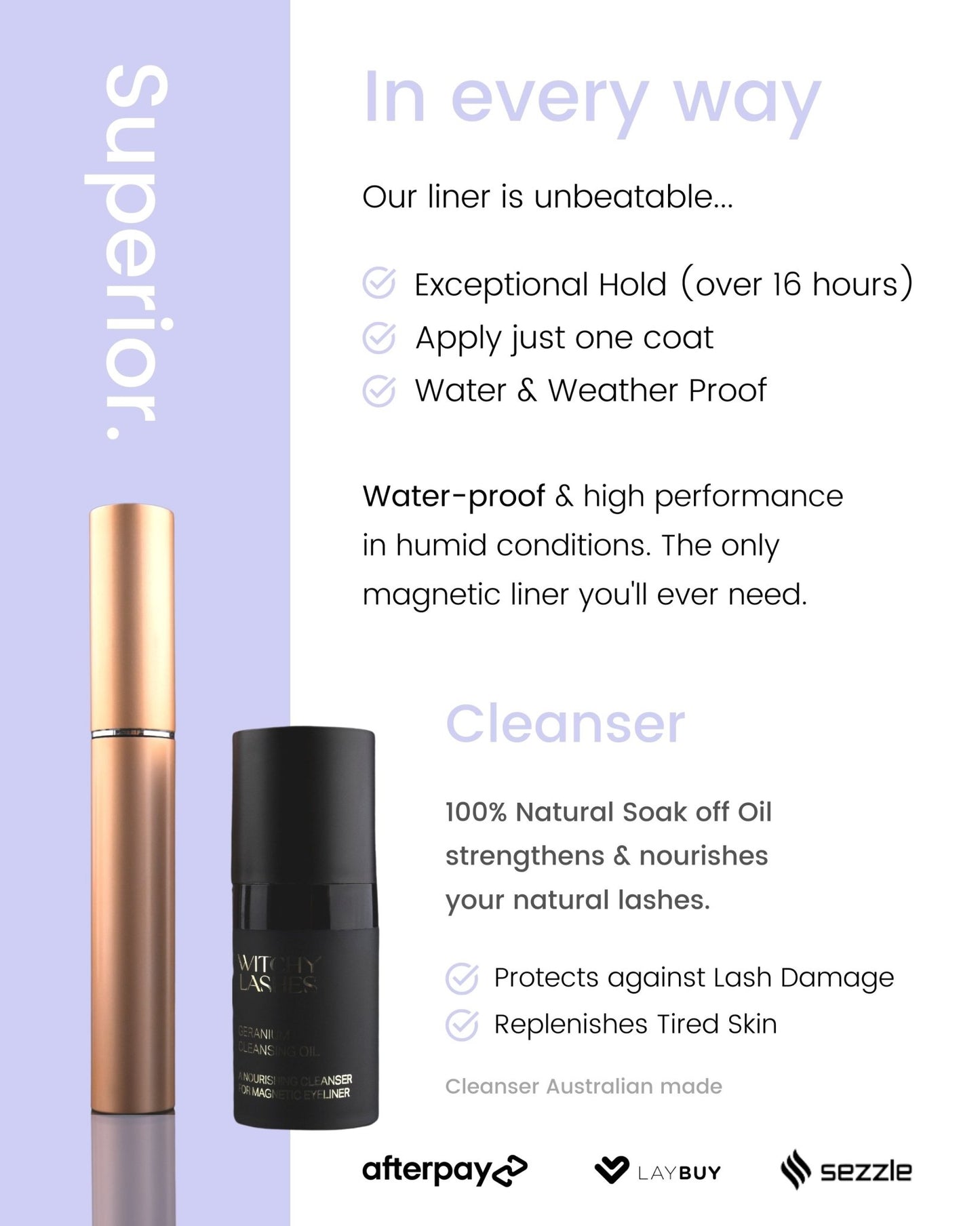
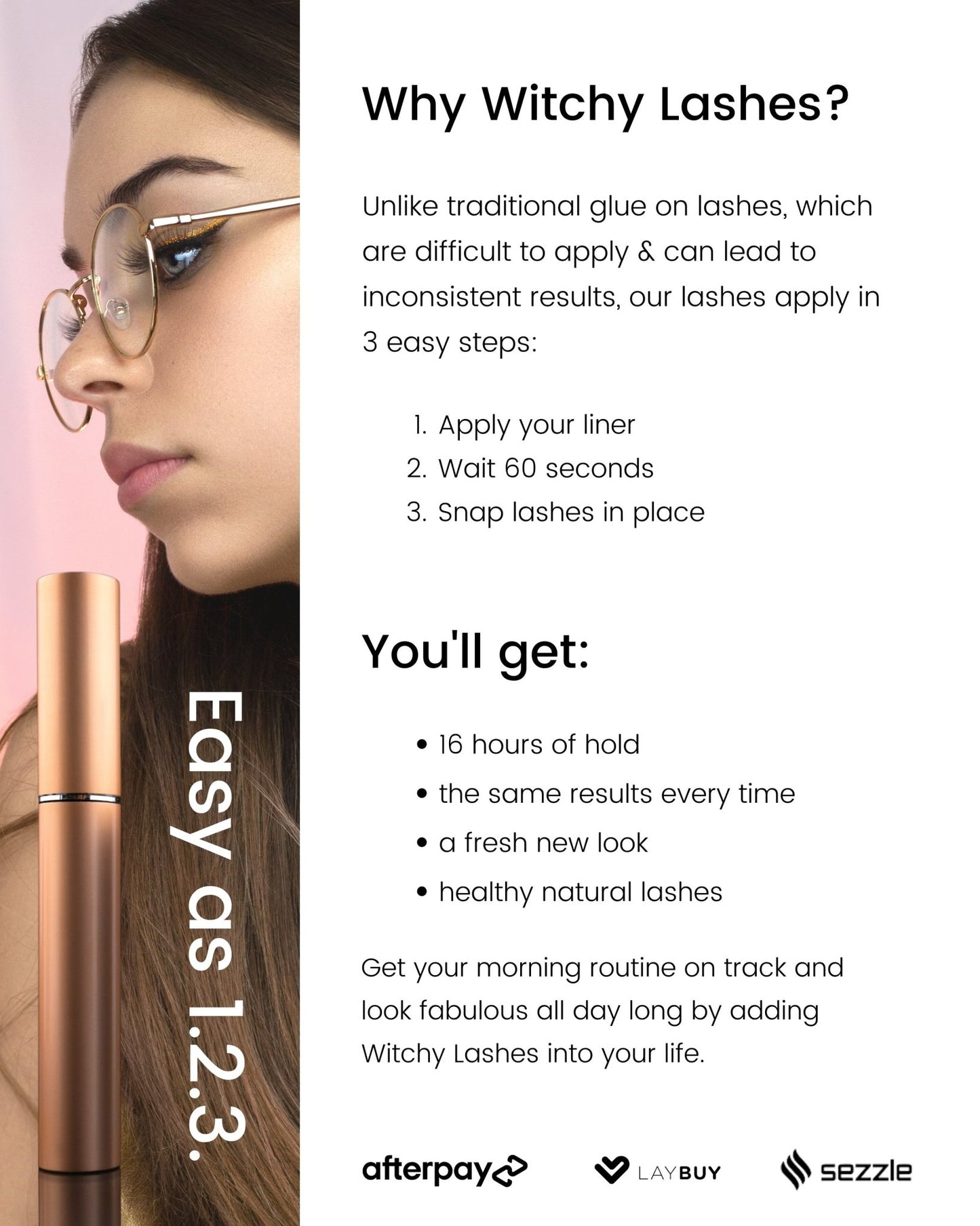
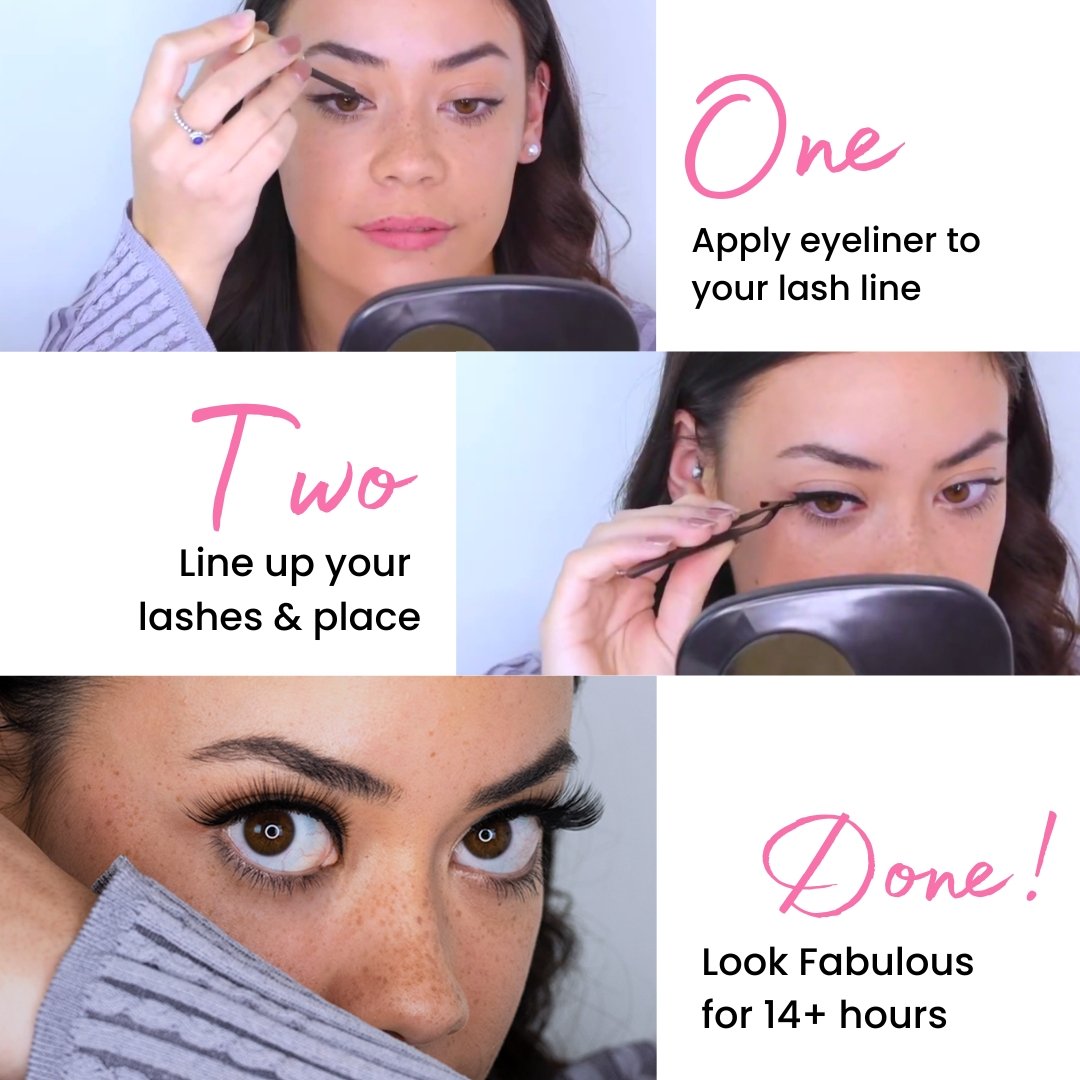
Our magnetic lashes work with our Magnetic Pen Liner or Magic Pen Liner, allowing the lash to attach to liner placed on the eyelid rather than your natural lashes. Our magnetic and adhesive liner is applied to the eyelid skin only. It never touches or bonds to your natural eyelashes, which means there is no risk of pulling out or damaging eyelashes that are still growing.

Strip Lashes (Magic Lashes)
For those who prefer traditional strip lashes, Bonita, Ivy, and Elle are beautifully natural styles well suited to women going through treatment. You can find them in our Magic Lash All in One Kit (which also includes our Lash Growth Mask, a great combination) and our Natural Lash Bundle. Both kits include everything you need to get started without choosing individual styles.
You can also read our detailed guide on the best false eyelashes for cancer patients for help choosing the right option.
Precautions
- Always patch test adhesives or liners first.
- Use fresh products to reduce infection risk.
- Remove lashes before sleeping.
- Stop using them immediately if irritation occurs.
- Check with your medical team if your skin is highly reactive or compromised from treatment.
For many women, wearing lashes during treatment is not about vanity. It is about feeling recognisable to yourself again.
What About Eyelash Extensions After Chemo?
Most experts recommend waiting 6 to 9 months after chemotherapy before getting eyelash extensions.
Extensions need existing eyelashes to attach to, and the process can place stress on fragile follicles that are still recovering. The adhesives can also irritate sensitive skin and eyes. For timing specifics, lash condition requirements, and what to ask your technician, read our honest guide to eyelash extensions after chemo. For the bigger picture on lash, brow and PMU timing during recovery, see our recovery timing guide.
During the regrowth period, strip lashes or magnetic lashes are often considered the gentler option because they attach to the eyelid instead of the natural lash.

Eyelash Serums: What Works?
There are many remedies recommended online for eyelash regrowth after chemo, including castor oil, vitamin E, and biotin. The reality is that most natural remedies have very limited evidence behind them when it comes to stimulating true lash regrowth.
Castor oil may help condition lashes and reduce dryness, but it has not been proven to make lashes grow back faster. The same is true for many over-the-counter "lash growth" products marketed online.
Bimatoprost is the main exception. It is a prescription medication and the only treatment with strong clinical evidence behind it for stimulating eyelash growth. It is also FDA-approved for that purpose. Because it is a medical treatment, it is important to ask your doctor whether it is appropriate for you during recovery.
Our 100% Natural Lash Growth Mask is not a drug and does not claim to force lashes to grow faster than your body allows. What it does do is help condition lashes and the lash line with nourishing ingredients such as pumpkin seed oil, castor oil, vitamin E, and French lavender, which can help keep lashes soft, hydrated, and protected as they regrow.
No natural product can override the body's timeline, but conditioning treatments can help reduce breakage and support the lashes you do have.
Emotional Impact of Eyelash Loss
Hair loss during chemotherapy can be deeply emotional. Research has shown that between 47% and 58% of female cancer patients consider hair loss one of the most traumatic aspects of treatment. See this review and this paper for discussion of the emotional burden.
What makes eyelash loss especially difficult is that there is no easy way to hide it. Wigs and scarves can cover scalp hair loss, but there is no equivalent for missing lashes. A 2024 study found that 67% of breast cancer patients reported eyelash and eyebrow loss, with 25% reporting new anxiety linked to it. You can read that study here, and a related 2024 Mayo Clinic publication here.
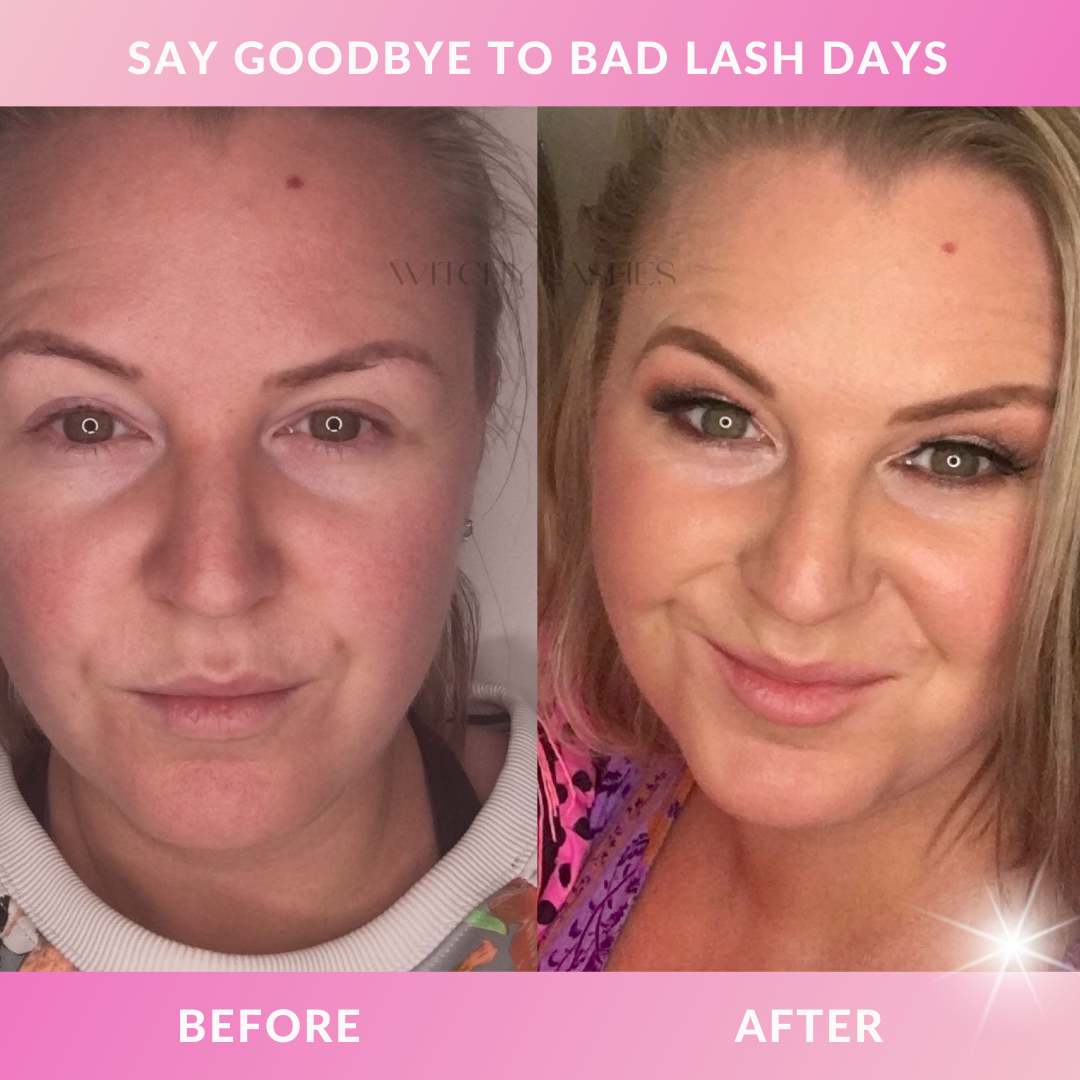
Eyelashes and eyebrows frame the face, and losing them can change how people see themselves in the mirror. Many of the women who reach out to us say that putting lashes on again was the first time they felt more like themselves in months.
There is even evidence that cosmetic support during cancer treatment can improve quality of life, self-esteem, and emotional wellbeing. One example is the "Recover Your Smile" study.
Something as small as wearing lashes again is not "just cosmetic." For many women, it is part of feeling human, seen, and whole again.
FAQs
How long does it take for eyelashes to grow back after chemo?
In most cases, eyelash regrowth begins around 4 to 8 weeks after the final treatment cycle. Many women see noticeable improvement by 3 to 6 months, with fuller regrowth by 6 to 12 months.
Can you wear false eyelashes during chemo?
Yes, many women do. Strip lashes and magnetic lashes attach to the eyelid rather than the natural lashes, making them a practical option when lashes are sparse or absent. Always patch test products first and stop if irritation occurs.
Which chemo drugs are most likely to cause eyelash loss?
Taxanes such as docetaxel and paclitaxel are among the drugs most strongly associated with eyelash loss, and are distinctive for carrying the highest risk of persistent thinning. Anthracyclines and alkylating agents also commonly cause eyelash loss. The exact impact varies by person and treatment plan.
Do eyelash extensions help after chemo?
Usually not straight away. Most experts recommend waiting 6 to 9 months after treatment, because extensions can stress fragile lashes that are still regrowing.
Do eyelash serums help after chemo?
Most over-the-counter serums and natural remedies have limited evidence for true regrowth. Bimatoprost is the main treatment with strong clinical support, but it requires medical guidance.
Can eyelash loss be permanent after chemotherapy?
In most cases, eyelashes do grow back. However, a small percentage of patients, most often those treated with taxane drugs such as docetaxel or paclitaxel, may experience lasting thinning or incomplete regrowth. Published studies report permanent eyelash loss in roughly 2 to 4% of patients, with risk increasing at higher cumulative doses. If your eyelashes have not started to return after 12 to 18 months, speak with a dermatologist or your oncology team. Bimatoprost (Latisse) is the only treatment with strong clinical evidence for stimulating eyelash regrowth and may be an option worth discussing with your doctor.
You're Not Alone
If you are currently going through chemotherapy and dealing with eyelash loss, I hope this article has given you comfort and clarity.
For most people, lashes do grow back. The process takes time, but your body is working hard to heal.
Be patient with yourself, be gentle with your body, and know that you do not have to go through this alone.
If you would like help choosing lashes or just want a chat, visit our Contact Us page. You can also read our guide on how to care for your eyelashes during chemo, or browse our FAQ page for more answers.
If you're considering cluster lashes, read why cluster lashes may not be the right choice for thinning lashes before you try them.